All Categories
Featured
Table of Contents
- – Exploring the Kinds Of Flat Roof Materials
- – Unwinding the Root Causes of Flat Roofing Syst...
- – Surprise Offenders Hiding in Plain Sight
- – Structural Shifts and Their Sneaky Impacts
- – Typical Causes at a Glimpse
- – Pro Tips from the Field
- – Step-by-Step Flat Roofing System Repair Process
- – 1. Thorough Cleaning
- – 2. Find the Leakage
- – 3. Cut and Eliminate Damaged Location
- – 4. Apply Primer and Patch
- – 5. Enhance Seams and Flashings
- – Preventative Upkeep for Flat Roofs
- – Key Steps to Keep Your Flat Roofing Healthy
- – Why Is Upkeep Typically Ignored?
- – Expert Idea
- – Professional Solutions for Flat Roofing Repair...
Flat Roof Repair And Replacement In Arnold MD
Arnold MD Roof Replacement
Flat Roof Inspection Near Me In Arnold MD
Flat Roof Replacement Arnold MD
Exploring the Kinds Of Flat Roof Materials
When it comes to flat roof repairs - Flat Roofings in Arnold MD, comprehending the range of materials available can seem like browsing a labyrinth. Envision the roofing system as a canvas-- each material paints a different story of sturdiness, flexibility, and resilience. But what truly sets one material apart from another? How do you choose the one that will stand the test of time, weather condition, and use?
Let's break down the most common flat roofing materials, highlighting their peculiarities and qualities:
Flat Roof Replacement In Arnold MDFlat Roof Repair Service In Arnold MD
Arnold MD Roof Replacement
Roofing Company In Arnold MD
Flat Roof Repair In Arnold MD
- Built-Up Roofing (BUR): This traditional, layered method combines asphalt and felt, developing a robust guard. It resembles wearing armor that's shown over years.
- Modified Bitumen: Typically compared to BUR however with added modifiers for boosted flexibility. Consider it as the versatile buddy in the roof household.
- EPDM Rubber: An artificial rubber membrane that's treasured for its weather resistance. Image a streamlined, black blanket extending over your roofing, invulnerable to rain and UV rays.
- TPO (Thermoplastic Olefin): Reflective and heat-weldable, TPO is getting popularity for its energy effectiveness. It's like providing your roofing a cool hat on a scorching day.
- PVC (Polyvinyl Chloride): Resilient and chemical resistant, PVC takes flat roof to a brand-new level of durability.
| Material | Resilience | Relieve of Repair | Expense Effectiveness |
|---|---|---|---|
| Built-Up Roof | High | Moderate | Medium |
| Modified Bitumen | High | Easy | Medium |
| EPDM Rubber | Medium | Easy | High |
| TPO | Medium | Moderate | High |
| PVC | High | Moderate | Medium |
Think about a time when an abrupt storm captured a rooftop unprepared-- water pooled, membranes stretched, and joints threatened to give way. In such minutes, the option of product isn't almost appearance; it becomes a quiet guardian against leaks and damage. Ever wondered why some flat roofs seem to shake off years of abuse while others fall apart under small tension? The product composition is often the unrecognized hero.
Next time you peek up at that flat area above, ask yourself: What story is my roofing informing? Is it a tale of strength or an indication waiting to be hearkened?
Unwinding the Root Causes of Flat Roofing System Damage
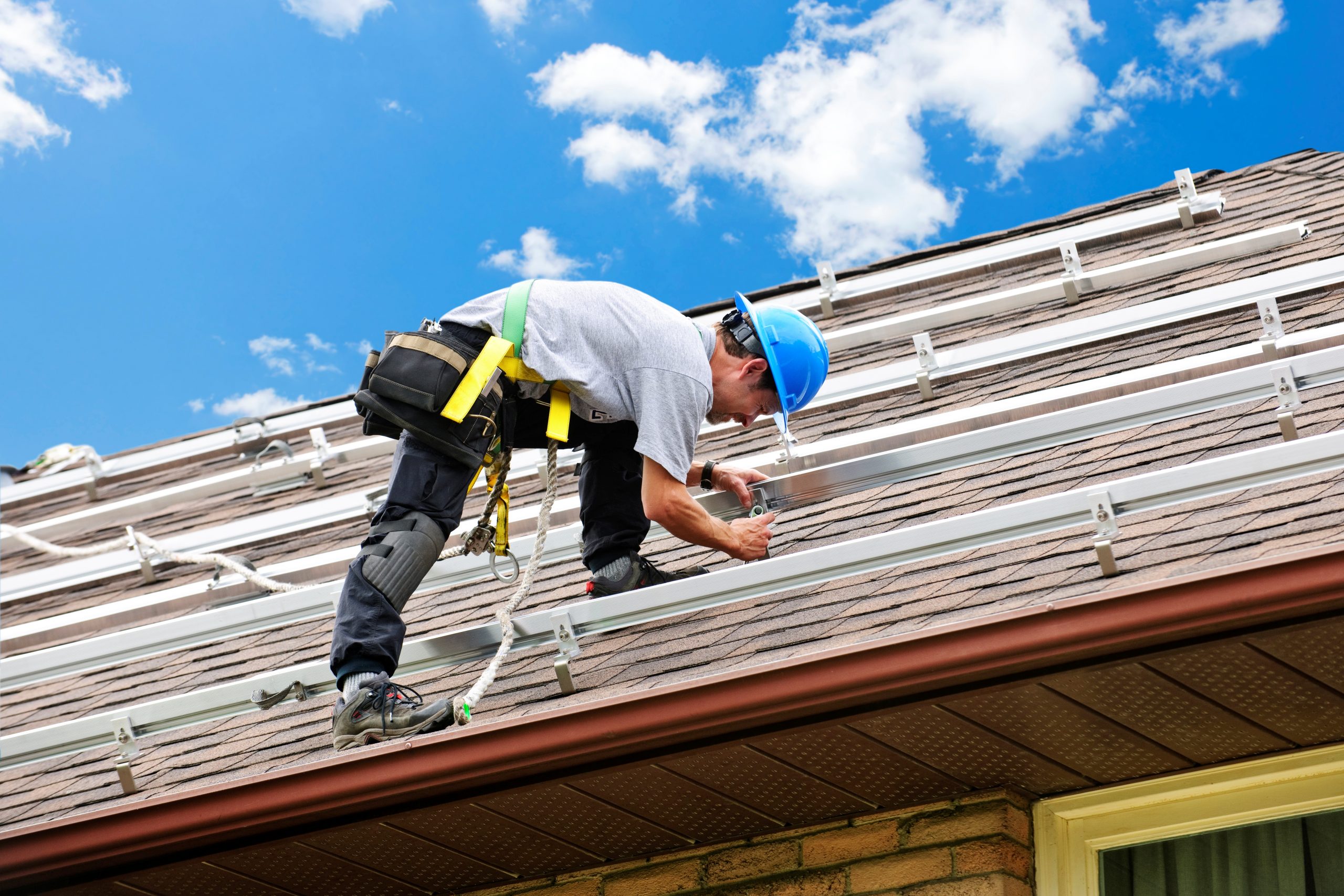
Ever discovered how a flat roofing can unexpectedly look like a swimming pool after a heavy rain? Water pooling, or ponding water, is not just an eyesore; it's a silent assassin to roofing membranes. The longer water remains, the more it permeates into the layers below, wearing down the structure's stability. Why does this take place? In some cases, it's the subtle warping of the roofing deck or clogged drain courses that leave the casual observer's eye.
Surprise Offenders Hiding in Plain Sight
Think about the tale of an old warehouse where a decade of undetected UV damage turned the once-resilient surface breakable as parchment. UV rays do not just tan our skin-- they relentlessly break down roof materials, triggering cracks and splits that welcome leakages. How do you identify this sluggish decay? Search for faded patches and tiny fissures, specifically in locations exposed to harsh sun.
Structural Shifts and Their Sneaky Impacts
Often, the ground underneath the building shifts imperceptibly, triggering the roofing system to bend and crack. This motion might seem minor but can wreak havoc on flat roofing membranes created to remain taut. The aftermath? A pattern of fractures that let moisture creep in. An easy suggestion: examine after seismic activity or heavy storms for any signs of distress.
Typical Causes at a Glimpse

- Review of CRG Roofing and Siding in Arnold MD by Wes Hordge: I was very pleased with the roofing job done by the Chesapeake Remodeling Group (CRG). Daniel was great to work with and fully explained all of my options. Any concerns or questions were responded to promptly. The work was completed in one day and cleanup was great. I would highly recommend this company. I would not hesitate to use them again.
- Review of CRG Roofing and Siding in Arnold MD by Raghu Bemgal: I recently had the pleasure of working with Chesapeake Remodeling Group to replace my roof, and I couldn’t be more satisfied with the experience. From start to finish, the service was exceptional. Daniel, their representative, was particularly outstanding. He was extremely knowledgeable about the entire process and took the time to explain everything in detail, ensuring I felt comfortable and informed at every step. His communication was top-notch, always keeping me updated on the progress and promptly addressing any questions or concerns I had. The team’s professionalism and efficiency were evident throughout the project. They worked diligently and completed the roof replacement within the promised timeline. The quality of the workmanship is excellent, and my new roof looks fantastic. Overall, Chesapeake Remodeling Group exceeded my expectations. I highly recommend them to anyone in need of roofing services. Thank you, Daniel, and the entire team for a job well done!
- Review of CRG Roofing and Siding in Arnold MD by Christopher Johnson: Jason inspected my roof for storm and wind damage. He found a lot of damage on the roof. He prepared a damage report to my insurance company. The Chesapeake Remodeling Group was an excellent partner to work with in replacing my roof. They were professional, timely, responsive to my needs. The team arrived at 7:30 AM, and was finished by 3:30 PM. The finished job looked amazing, and the cleanup was awesome. Thank you Chesapeake Remodeling Group for a job well done 👏
- Review of CRG Roofing and Siding in Arnold MD by Levi Herrera ""
- Review of CRG Roofing and Siding in Arnold MD by Laura Kim: We repaired our roof and shutters with Chesapeake Remodeling Group. Daniel Ahn walked us through the entire process and informed us every step of the way when any changes or additional costs might be needed. They were friendly and did a good job fixing our roof. Update 12/9/20 Just wanted to say that the guys who worked inside our house and made repairs went above and beyond. Their work was impeccable. Paint job and did extra to repair broken plaster, dents, etc. They were very courteous and professional. Chris and his crew did an amazing job! Amazing isn't even enough to convey their quality of work and what they done for our home. I highly recommend him and using Chesapeake remodeling group! Thank you so much Chris and everyone who worked on our home, I really appreciate it and am touched. God bless you!
- Review of CRG Roofing and Siding in Arnold MD by Ariel Miller: The team went above and beyond. The owner, during the consultation, agreed to fix a small issue at no cost. After the roof was finished and we walked the property, I saw they also repaired a piece of siding that had fallen off our sun room. Thank you for the exceptional service. The price was more than what we were wanting to spend but the quality and service were definitely worth it.
| Trigger | Result on Roofing | Professional Tip |
|---|---|---|
| Ponding Water | Membrane deterioration, leaks | Make sure correct drain slopes throughout installation |
| UV Direct exposure | Material brittleness, cracking | Apply reflective coatings to decrease sun effect |
| Structural Movement | Membrane fractures | Routinely check joints and flashing for gaps |
| Debris Build-up | Drain pipes blockages, water build-up | Clear roofing system debris before seasonal rains |
Pro Tips from the Field
- Never ever underestimate the damage caused by little leaks-- those small holes can grow over night.
- Routinely scan for blisters or bubbles; they're the roof's method of crying out for help.
- Think about the weight of equipment-- a/c systems can squash membranes gradually if not correctly supported.
Step-by-Step Flat Roofing System Repair Process
Imagine standing on your flat roof, feeling the rough texture underneath your boots, surveying the battleground where water has actually silently waged war. The first relocation is always inspection. Look for blistering, cracks, or pooling water-- those silent opponents that, if ignored, will escalate into costly destruction. Why do these problems often go undetected? Because flat roofings do not shed water like pitched ones, leaving wetness caught like a slow poison.
1. Thorough Cleaning
Before patching anything, get rid of debris, dirt, and any loose product. This isn't almost looks; a tidy surface guarantees the adhesive (Flat Roof Repair Contractors in Arnold MD) bonds effectively. Use a stiff broom and, if required, a pressure washer-- however be careful not to harm the membrane
2. Find the Leakage
Leakages can be deviously evasive. Sometimes, water stains on your ceiling are miles far from the real hole on the roofing system. A simple but frequently ignored tip: trace the water's path uphill, as water can travel along metal flashings or joints before dripping inside.
3. Cut and Eliminate Damaged Location
When the leakage website is determined, thoroughly cut out the broken membrane. Precision is essential here; a jagged spot welcomes future issues. Constantly cut a rectangle-shaped or square spot for simpler sealing.
4. Apply Primer and Patch
- Apply a premium guide to the exposed substrate.
- Cut a spot from a suitable membrane, extending 3-4 inches beyond the damaged zone.
- Adhere the spot efficiently, eliminating air bubbles.
- Seal edges with roofing cement or a compatible sealant to prevent peeling.
Arnold, Maryland, is a designated area situated in Anne Arundel County, located at approximately 38.9424° N latitude and 76.5077° W longitude. Nestled along the beautiful shores of the Chesapeake Bay, Arnold offers a suburban atmosphere combined with waterfront charm. The community is positioned just 15 miles south of downtown Baltimore and 20 miles east of Annapolis, making it a convenient spot for commuters to both cities. As of the 2020 United States Census, Arnold's population stands at roughly 23,000 residents. The demographic composition is primarily White (around 75%), with African American (15%), Asian (5%), and Hispanic or Latino (5%) populations contributing to the area's diversity. The median household income is approximately $110,000, reflecting the area's status as a well-off community, with a median home price near $400,000. The median age is about 45 years, indicating a mature population with a significant number of families and professionals. Arnold is known for its excellent public schools, served by Anne Arundel County Public Schools, including the well-regarded Broadneck High School and Severna Park Middle School. The community benefits from numerous parks and recreational areas, such as Kinder Farm Park, a 288-acre park featuring trails, picnic areas, and a farm museum, and the Quiet Waters Park, a 340-acre park with boating, fishing, and dog parks. Key points of interest include the Arnold Recreation Center, offering sports facilities and community programs, and the nearby Chesapeake Bay Bridge, providing critical regional connectivity. The area supports a variety of shopping and dining options along Ritchie Highway (MD Route 2), which runs through Arnold. Public transportation is accessible via the Maryland Transit Administration (MTA), with connections to Baltimore and Annapolis. The local economy is bolstered by healthcare, education, and professional services sectors. Arnold’s proximity to major waterways and urban centers, combined with its strong community amenities and high quality of life, make it a popular residential area in Anne Arundel County.
5. Enhance Seams and Flashings
Seams are the Achilles' heel of flat roofings. Usage specialized joint tape or liquid sealants to enhance these susceptible lines. Remember: a single missed out on seam can become a ruthless drip.
| Common Flat Roofing Issue | Specialist Suggestion |
|---|---|
| Pooling Water | Make sure correct slope or set up tapered insulation to boost drain. |
| Blistering | Pop and dry blisters before patching; do not ignore as they trap moisture. |
| Membrane Fractures | Use versatile sealants that move with temperature modifications to avoid re-cracking. |
Every flat roof tells a story of durability and wear. Fixing it requires not just tools but a practiced eye and persistence. Have you ever saw how the smallest crack can invite the fiercest storm inside? Address it promptly, and your roofing system will thank you for several years to come.
Preventative Upkeep for Flat Roofs
Why wait on a puddle to end up being a lake? Flat roofings are infamous for harboring water, and standing water is the quiet assassin of roofing membranes. A basic, routine check every few months can identify early signs of ponding-- those persistent swimming pools that decline to evaporate-- and nip potential leaks in the bud. Remember the story of the workplace structure that disregarded a small, unnoticed puddle? Within a year, the whole deck required replacement.
Key Steps to Keep Your Flat Roofing Healthy
- Clear Particles: Leaves, branches, and dirt clog drains pipes and gutters, turning your roofing system into an overload. Sweep them off frequently.
- Examine Flashing: The junctions where the roof meets walls or chimneys are prime areas for cracks. Try to find any splits or loose edges.
- Look for Blisters: Blisters or bubbles under the membrane indicate caught wetness-- an early indication of wear and tear.
- Seal Small Cracks: Applying a quality sealant prevents small cracks from changing into costly leakages.
- Display Drainage: Guarantee all drains and ambuscades are free-flowing. Stagnant water welcomes mold and structural decay.
Why Is Upkeep Typically Ignored?
Flat roofing systems don't have the dramatic pitch of sloped roofs, so damage often conceals in plain sight. It resembles ignoring a sluggish drip in your cooking area sink; out of sight, out of mind, till water stains appear on your ceiling. This invisibility cape makes it all the more crucial to adopt a vigilant regimen. The roofing's surface might look unharmed, but beneath, the membrane could be wearing thin.
Expert Idea
Utilize a moisture meter to discover wetness below the membrane. It's an economical tool that can expose problems before they become noticeable. Combine this with infrared thermography for a state-of-the-art peek beneath the surface area-- often, the greatest leaks are the quietest ones.
| Maintenance Task | Frequency | Why It Matters |
|---|---|---|
| Debris Removal | Regular monthly or after storms | Avoids drainage blockages and water buildup |
| Visual Roof Inspection | Quarterly | Identifies early membrane damage or blisters |
| Flashing Examine | Biannually | Protects vulnerable seams versus leakages |
| Sealant Application | Annually | Extends membrane life by sealing minor cracks |
Professional Solutions for Flat Roofing Repairs in Arnold MD
Flat roofing repairs require specific knowledge to guarantee durability and prevent leakages. Whether handling small cracks or considerable wear, addressing problems early can conserve significant expenses down the line. Correct assessment and top quality products are important for effective repairs that stand up to Arnold MD's weather.
CRG Roofing and Siding uses expert advice and comprehensive evaluations to direct you through the repair work procedure. They are devoted to supplying reputable and effective service customized to your flat roofing needs. Connect to them for a totally free consultation and professional suggestions on flat roofing repair work.

Table of Contents
- – Exploring the Kinds Of Flat Roof Materials
- – Unwinding the Root Causes of Flat Roofing Syst...
- – Surprise Offenders Hiding in Plain Sight
- – Structural Shifts and Their Sneaky Impacts
- – Typical Causes at a Glimpse
- – Pro Tips from the Field
- – Step-by-Step Flat Roofing System Repair Process
- – 1. Thorough Cleaning
- – 2. Find the Leakage
- – 3. Cut and Eliminate Damaged Location
- – 4. Apply Primer and Patch
- – 5. Enhance Seams and Flashings
- – Preventative Upkeep for Flat Roofs
- – Key Steps to Keep Your Flat Roofing Healthy
- – Why Is Upkeep Typically Ignored?
- – Expert Idea
- – Professional Solutions for Flat Roofing Repair...
Latest Posts
Flat Roof Repair Replacement in Savage MD: Top Roofing Specialists Deliver Quality Workmanship And Resilient Solutions For Every Home
Flat Roof Maintenance in Linthicum Heights MD: We Concentrate On Setting Up New Low-Slope Roof For Houses And Services
Flat Roof Maintenance in Reisterstown MD: Experienced Roofing Professionals Supply Long Lasting And Efficient Roofing System Installations And Repairs
More
Latest Posts
Flat Roof Maintenance in Linthicum Heights MD: We Concentrate On Setting Up New Low-Slope Roof For Houses And Services